Tech Trends
How Apps Are Replacing Traditional Tasks: Real Shifts in Daily Routines
Explore how apps replacing traditional tasks shape your daily habits with step guides, security tips, and practical advice for productivity and stress-free routines. See which digital changes work best.
Advertisement
How Apps Are Replacing Traditional Tasks: Real Shifts in Daily Routines
Picture yourself sitting at your kitchen table, phone in hand, skipping chores or errands you once had to schedule. This quiet shift is happening everywhere.
More people notice that the conversation about technology and change now revolves around real habits. Understanding why apps replacing traditional tasks catches on matters for everyone trying to stay current.
Explore concrete ways these changes transform what you do, how you do it, and why. This guide gives you the playbook for navigating these shifts confidently.
Streamlining Personal Errands with Public App Solutions
You’ll see your daily routines shrink as digital apps step in for tasks like banking, paying bills, or scheduling services. Habits change because the app handles steps you’d do personally.
Apps replacing traditional tasks happens subtly: scroll, tap, swipe, done — that’s now your to-do list in action, compressed to a few screen touches.
From Banking Lines to Instant Banking Apps
Consider bank visits for check deposits. With apps, you snap a photo, enter the amount, and funds hit your account immediately. No lines, no paperwork—just transaction proof by notification.
Your phone vibrates. The app confirms the process, removing the hour once spent driving, waiting, or talking with a teller. Apps replacing traditional tasks like this saves hours across a month.
Tapping “deposit” feels more routine than filling out forms. One friend recently said, “Now, I stand in my kitchen and move money while my coffee brews,” showing off apps’ convenience.
Appointment Scheduling Without the Phone Call
Salons and clinics adopted booking apps to let customers see availability, tap a time block, and book. You don’t repeat your name or spell it out over the line anymore.
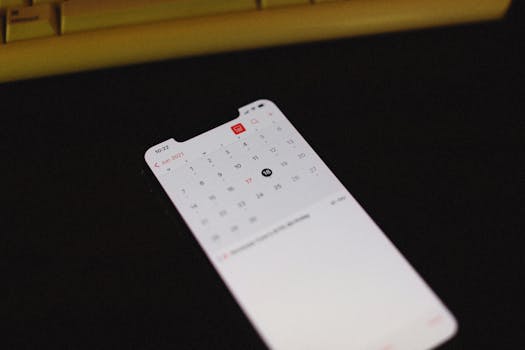
Instead, a color-coded calendar appears. You scan for openings, pick a slot, and get a confirmation in under a minute. Apps replacing traditional tasks mean fewer calendar mix-ups, too.
Picture this scenario: “I’ll grab a haircut slot before dinner,” someone thinks, confirming it between tasks. There’s less back-and-forth and no scrambling over schedules.
| Traditional Task | App-Based Alternative | Time Saved | Takeaway |
|---|---|---|---|
| Mailing Paper Checks | Online Bill Pay Apps | 30-50 minutes/week | Set up auto-pay in your bank app this afternoon. |
| Manual Calendar Planning | Integrated Scheduling Apps | 2-3 hours/month | Try syncing personal and work calendars with alerts. |
| Grocery Shopping in-store | Delivery Apps | 90+ minutes/week | Order staples online for weekend delivery today. |
| Phone Appointment Booking | Appointment Apps | 15 minutes/appointment | Download a booking app for salons or doctors. |
| Filing Receipts | Expense Tracker Apps | 3 hours/month | Photograph receipts and organize digital records. |
Reducing Paperwork: Going Digital for Everyday Forms and Payments
Immediate access to documents and payments is a game-changer when apps eliminating traditional forms become the norm. Today, turning a utility payment or new enrollment digital means time back in your week.
Apps replacing traditional tasks isn’t a dramatic revolution but a habit-forming nudge: forms pre-load with your info, document stores auto-fill, and receipts sync straight into digital folders.
One-Tap Form Filling for Busy Professionals
Susan manages her taxes using a file-scanning app. She opens her phone, taps to snap W2s, and uploads data, avoiding any paper pile-up — completely streamlining bookkeeping.
By the time her accountant wants a deduction detail, the records sit in one place. Apps replacing traditional tasks like this ensure there’s no lost paperwork, only easy searches and instant access.
- Download a secure scan-to-cloud app; you’ll capture receipts at checkout and store them instantly, stopping the need for an envelope of faded paper slips.
- Use bill-pay options from your bank’s app to send recurring payments; you’ll automate reminders and late notices disappear as missed deadlines vanish.
- Edit digital PDF forms with annotation features; you sign, date, or tick checkboxes, then resend without printing anything, meaning faster processing every cycle.
- Link your payment app to major utility providers; invoices show up electronically and let you pay in two taps. No more hunts for returned envelopes or stamps.
- Set up shared expense tracking for family or roommates to split bills without cash or confusion. Everyone sees who paid, how much, and when in real-time.
If you want continued progress, update all critical apps annually to keep new features. Apps replacing traditional tasks evolve fast, so using updated versions maximizes your productivity.
Security and Privacy for Digital Documents
Digital docs increase convenience, but must be well protected. Activate biometric security in each app so only you can access sensitive pay, billing, or ID records instantly and confidently.
Add two-step authentication to payment and form apps. This means thieves face a fingerprint, PIN, or temporary code each time. That level of protection lets you sleep easier at night.
- Regularly audit app permissions — review which tools access banking or contacts and disable those you don’t need. Safety grows as access narrows.
- Check encrypted backup settings; enable secure cloud storage so if your phone is lost, your records stay retrievable — and always private.
- Set alerts for new document uploads. Apps replacing traditional tasks should notify you quickly if anything changes or new forms arrive.
- Train all household members to lock devices before set-down. That habit keeps records out of others’ hands.
- Review access logs on your digital storage apps; look for locations, devices, and recent logins — act on unfamiliar activity right away.
Following these steps creates a strong foundation for managing documents online and minimizes headaches over misplaced files or payment risks. Apps replacing traditional tasks work better when used with smart habits.
Integrating Apps for Hands-Free Routines and Task Automation
By combining routine apps with automation, you eliminate manual input for activities like reminders or schedule planning. Apps replacing traditional tasks integrates seamlessly into your day.
With smart integrations, turning on lights, brewing coffee, or sending updates happens automatically as a new standard, not just as a tech experiment.
Automated Home Management in Action
Sam uses a scene-setting app linked to his calendar: “Meeting at nine,” the app sets his lights to energize and starts a playlist. It’s streamlined living by example.
Automation lets routines run in the background — groceries reorder on schedule, or the thermostat adjusts as you leave, all with no reminders cluttering your mind.
Apps replacing traditional tasks here means setting workflows once and then trusting that automation repeats the pattern without extra taps or effort every morning.
Work Tasks Transformed by Digital Integration
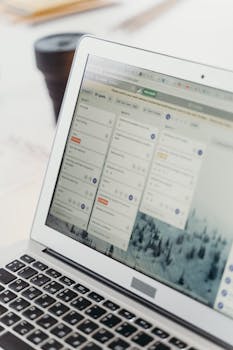
Pull up a project management app that talks to your email, calendar, and chats. Tasks assign automatically, status updates push to your phone, and shared docs update for everyone.
A realistic script is, “Drop files in the shared folder, the team gets it, and I avoid messy email threads.” That’s visible collaboration simplified, no manual forwarding.
With apps replacing traditional tasks, teams reclaim hours each week by letting systems surface priorities and reminders based on progress and deadlines, not memory or sticky notes.
Digital Shifts That Stick: Lasting Effects of App-Based Life
Every major shift starts as a small, unnoticed habit — today, apps replacing traditional tasks are those habits, and they’re woven into the fabric of your day and work.
This is about real progress, not hype. Once you start scanning receipts or scheduling from your pocket, you make space for more meaningful moments, not busywork.
Decide which tasks to digitize and you’ll find extra time, less stress, and stronger habits. Try one small shift — and let apps replacing traditional tasks do the heavy lifting for you.