Tech Trends
The Future of Productivity Tools and Apps: Trends to Watch and Try
Explore future productivity tools and top app trends. Uncover actionable tips, automation script ideas, and real-world workflow upgrades for smarter, stress-free routines.
Advertisement
Missing calendar reminders, juggling group chats, and toggling between too many tabs signal it’s time to rethink your toolkit. The future productivity tools are closer than you might think.
What feels routine today—collaborating across time zones, building lists with a swipe, auto-syncing notes—owed its shape to waves of new productivity apps rolling out. This space is shifting quickly, and everyone gets a front-row seat.
Keep reading for scenario-based tips, hands-on checklists, and the best ways to spot future productivity tools that will truly improve your workflow.
Technology Productivity Trends: Spotting Early-Wins for Personal Efficiency
Staying ahead starts with adopting a focused routine for testing updates. When an app introduces smarter scheduling or faster syncing, try applying it to one daily habit right away.
Using future productivity tools as single-purpose test drives lets you track what actually saves time or feels intuitive instead of falling for hype. Record your impressions the moment you try something new.
Mini Checklist: Testing a New Tool
Pick one workday task you repeat daily. Download the new productivity app you want to test and use it only for that task tomorrow. Log your impressions in the evening.
If the new tool speeds up your work by fifteen minutes, jot down specifics: “Moved faster between messages using voice commands.” This keeps your evaluation objective and outcome-focused.
Share the trial with a team member. Voice how you used the new workflow— “Hey, I used the quick entry feature today and saved a file in half the usual time.”
Actionable Example: Upgrading Meeting Notes
Try syncing your notes app with your calendar. Say— “I dictated decisions on my phone and they showed up alongside scheduled events.” This cuts step overlap immediately.
Revisit the notes at the week’s end. If referencing decisions feels easier, keep using the connection. If not, try disabling or reconfiguring the integration.
Team up for evaluation: “Let’s compare our meeting follow-ups. Did the integration make next steps clearer?” Bring this feedback into your next check-in.
| Tool Name | Main Feature | Adoption Step | Key Takeaway |
|---|---|---|---|
| QuickCapture | Voice-to-text notes | Try one morning routine | Capturing ideas on-the-go adds value if accuracy is high. |
| BoardSync | Visual workflow boards | Map your daily tasks | Drag-and-drop simplicity speeds up task review sessions. |
| CalMerge | Shared calendars | Sync upcoming events | Centralizing events can lower last-minute meeting stress. |
| FocusGuard | Distraction blocker | Enable during work blocks | Immediate reduction in notifications builds deep work focus. |
| SmartLists | Automated to-do lists | Auto-sort today’s priorities | Automatic ranking helps identify your top three urgent items. |
Smart Apps Daily Tasks: Making Everyday Routines Smarter and Simpler
Work and home routines both benefit from using smart apps that sync, predict, and prompt actions. Future productivity tools handle low-value steps to free up creative time.
Applying automated reminders, assistive voice features, and integrations means you miss fewer appointments and spend less time entering repetitive information by hand.
Streamlining Tasks with Automations
Link your grocery app to a calendar for recurring weekly planning. The best future productivity tools do this with two taps so you skip rewriting the same list.
Let task trackers auto-color code priorities—shifting visual cues nudge your attention instead of letting every item feel urgent. This helps reduce daily overwhelm.
- Enable voice entry for hands-busy scenarios. Speaking reminders aloud saves time while cooking or driving, and the app sorts tasks in real time.
- Set color-based urgency indicators on task lists. Red tells you what needs immediate attention so nothing slips through late in the day.
- Allow smart auto-fill for repeated events. Next month, your birthday reminders or meetings repopulate instantly, reducing manual input.
- Sync to-dos with shared household or team calendars. Avoid duplicated efforts and see progress updated automatically for better group morale.
- Connect new apps with existing cloud storage. This creates a one-stop view, making document retrieval effortless and cutting clutter across devices.
Review feedback every Friday—pick which features genuinely reduce time spent on routine admin so you can focus elsewhere the next week.
Choosing the Right Smart Apps
Look for tools that blend into habits you already have—“I tap reminders right after lunch.” This ensures higher adoption with lower friction during changeover weeks.
Prefer apps that give you full control over notifications and sharing. Less unneeded data means fewer privacy worries or distraction spikes during deep focus blocks.
- Prioritize apps with customizable reminders. Tailor alerts to fit your schedule so you avoid unnecessary interruptions.
- Pick platforms with clear privacy settings. Reviewing these up front means your work data stays protected and you don’t scramble later.
- Choose tools that provide offline access. Good future productivity tools keep lists visible during commutes or travel where Wi-Fi is spotty.
- Test integration with existing digital calendars. Seamless blending saves transition time, so meetings or events aren’t lost in the mix.
- Check for review cycles or weekly recaps. These automated summaries help you see progress and spot bottlenecks before big deadlines arrive.
After two weeks, swap out the lowest performers and return to a core set that truly fits your workflow, not just what sounds trendy.
AI in Mobile Apps: Real Examples You Can Test in Your Workflow Next Week
Jumpstarting adoption gets easier as AI in mobile apps takes on tedious tasks. These future productivity tools let you automate responses, sort messages, or scan receipts by snapping a quick photo.
When you read, “This meeting note summarizes itself,” try copying that approach. Spot when the tool listens for urgency—like scanning for “ASAP” or “urgent appointment” and highlighting your next step.
Scenario: Fast Team Updates Using AI Summaries
If your manager texts, “What’s the project status?” use future productivity tools that digest chat logs into three bullet points. This saves rewriting and removes confusion if memory gets cloudy.
A realistic script: “Here are the key updates: Timeline moved up; design phase complete; next step is client signoff—let’s review together.” Copy and paste, check off completion, and move on.
Watching AI extract to-dos from convoluted email threads builds trust as you verify accuracy for one week. Note improvement in your project tracking by week’s end.
Rule: Letting AI Handle Low-Value Repetitive Work
Program your mobile app to auto-answer common client check-ins with status updates. You’ll hear a notification ping, but AI dispatches the reply if it matches pre-set keywords.
“Sent latest invoice to client,” comes through. If the message only needs a file resend, your response is handled instantly, freeing time for strategic planning or training.
This approach prevents bottlenecks and lets you redirect attention toward problem-solving instead of constant inbox watch. Future productivity tools shine in freeing time and reducing stress.
Digital Work Trends: Action Steps for Smarter Team Collaboration Right Now
Make team goals visible within shared dashboards. Real-time boards let everyone see what’s stuck or moving ahead so feedback gets faster, not lost in email backlogs.
Modern digital work trends favor apps connecting feedback, project notes, and revision schedules. Future productivity tools highlight deadlines or decision points, pointing out missed updates via notifications.
Checklist for Effective Collaboration
Start by assigning one app as your “source of truth” for shared projects this month. Remind colleagues: “Check the dashboard for real-time progress before emailing questions.”
Color-code every project stage and use emoji reactions for sign-off confirmations. “Green check when approved, red flag when delayed”—keep statuses clear at a glance.
End each meeting with a snapshot update. “Post your next-action notes in the chat,” prompts the team to contribute, keeping task lists current and visible to all.
Scenario: Turning Feedback Into Action
Picture someone typing, “We’re blocked on the specs.” Tag @product, shift the card to “Needs input,” and comment, “Ready for your review today?” This models transparent escalation.
Getting replies within the app—rather than via email—keeps conversation threads with tasks. Future productivity tools log every step so new team members on-board swiftly.
Try weekly retrospectives inside your shared platform: “What dropped last week? What worked?” Use this input for iterative process change, visible to all in real time.
Automation Daily Life: Scripts and Rules for Streamlining Recurring Tasks
This section delivers step-by-step rules to automate personal and team routines—ideal if you’re juggling multiple roles and deadlines. Adopt at least one automation rule into your next workweek.
Future productivity tools favor short setup flows and actionable scripts. By customizing automation, you cut manual effort and get measurable time-savings, not just tech novelty.
- Set up “if/then” rules for follow-up emails. For example, if a message isn’t replied within two days, auto-remind your recipient and flag it for attention.
- Create automatic file backups every evening. You’ll avoid losing hours of work and streamline recovery—set a routine on both individual and shared file locations.
- Use scheduling bots to align calendar availability. “Automatically suggest three meeting slots and confirm once everyone selects a time.” This prevents miscommunication and double-booking.
- Let billing apps auto-invoice clients monthly. Review the draft before sending, but remove yourself from day-one invoicing cycles to use your peak energy on creative work.
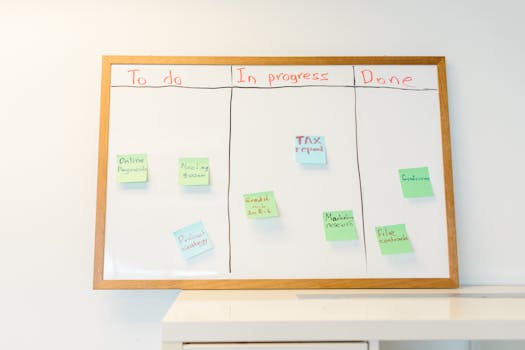
- Set auto-move rules for completed tasks: As work closes, stories slide into the “done” column. This keeps boards readable and prevents clutter during larger projects.
Test each automation for a full week before adopting wider. Many future productivity tools support “undo” or “rollback” features, so nothing’s permanent during your evaluation period.
- Automate status updates to your team’s group chat after key tasks finish. This reduces the need for manual progress emails and keeps everyone aligned on day-to-day changes.
- Sync your email labels with your digital notes platform. Archiving documents or messages keeps all related content together, especially helpful when multitasking or jumping contexts.
- Use recurring reminders for recurring bills or compliance steps. Automations ensure nothing gets skipped, and prompt you for review only when truly needed—freeing headspace.
- Connect personal productivity tools to work platforms. Send your to-do list to your project dashboard every morning for seamless prioritization between work and home obligations.
- Leverage smart calendars that auto-block focus time based on your energy peaks—”Reserve 10 AM to noon for heads-down work.” These blocks help preserve momentum and set boundaries.
Gradually raise the complexity of your automations as you feel ready, ensuring each layer delivers real time savings and fewer routine decision points throughout your week.
Apps Replacing Traditional Tasks: New Rules for Adopting Digital Substitutes
Replacing paper planners or manual logs brings a major opportunity to rethink your old habits. Start with one analogue process, then gradually bring productivity tools into the routine.
Scenario: Moving a Physical Calendar to Digital
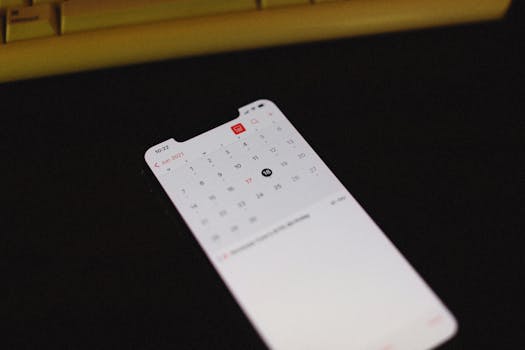
Reserve Sunday evenings for scanning upcoming appointments. Typing these into your favorite calendar app gets you comfortable using digital reminders instead of sticky notes stuck on your fridge.
A week later, when you say, “Alexa, what’s on for Tuesday?” you’re harnessing built-in AI and voice features that bring future productivity tools to life in daily systems.
Stick with your traditional method as a backup during transition. Record how many missed appointments or double-bookings drop when shifting primary scheduling to digital devices.
Mini-Process: Going Paperless Step by Step
First, snap clear photos of essential documents. Upload them to a secure digital vault with search features—no more lost receipts or warranty cards in junk drawers.
Next, set “auto-label” rules (e.g., insurance, utilities, contracts) so scanned docs appear in sorted folders, ready to pull up instantly as needed. Paper piles dwindle quickly with this micro-habit.
Within a month, check your backup schedule—“Scan receipts every Friday” creates accountability and eases tax-time stress, merging traditional tasks with future productivity tools.
Future Digital Tools: Deciding What Stays, What Goes, and What’s Next
Wrapping up, future productivity tools will succeed when they fit the actual routines and pain points you face each week. Always measure impact, then decide what to keep.
The best approach adopts new digital tools gradually, keeps critical processes “undo”-safe, and constantly reviews progress using feedback from teammates and your own mood or energy data.
Finally, remember: productivity isn’t just about speed or features, but freeing up meaningful time for both deep work and rest. Schedule tool check-ins every quarter and stay curious about what’s possible next.