Tech Trends
Digital Trends That Are Shaping Modern Work
See how digital work trends like automation, smart apps, and hybrid collaboration are reshaping modern routines. Discover practical tools and tips for a more productive and efficient workplace.
Advertisement
Lunch breaks rarely spark heated debates over which video chat app to use. Still, most people notice digital work trends changing habits, tools, and what “productive” means.
Remote teams, collaborative documents, and smart apps shape routines everywhere. These shifts have practical, lasting effects on schedules, meetings, and decision-making in offices and home workstations alike.
This article brings concrete examples, tables, and actionable steps so you understand—and start using—the digital work trends reshaping modern routines now.
Adapting Faster: Making Hybrid Collaboration Feel Seamless
Getting hybrid teams to mesh is easier when you know which digital work trends directly impact daily collaboration choices.
People now pair messaging apps, video calls, and shared files for quick cooperation. One person says, “I’ll Slack you the edits,” while another already links a shared doc.
Pair Messaging with Visual Collaboration for Clarity
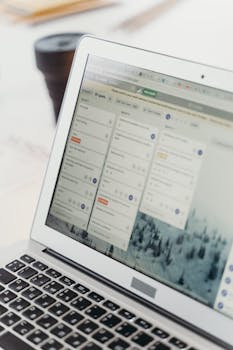
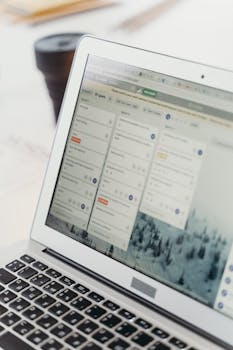
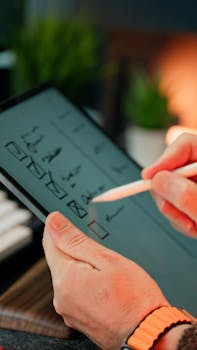
Instead of clarifying instructions twice, teams mix chat with visual boards. Colleagues say, “Drag it here, then check Slack for feedback.” Gestures and live drawings keep details clear from afar.
The mix removes confusion from text-only steps. By clicking from chat to board, everyone sees progress. Trying this out can reduce your follow-up emails by half weekly.
Teams using digital work trends, including this approach, complete group edits faster. Encouraging a chat-plus-board combo proves quicker than sending long explanations or scattered screenshots.
Simplify Hybrid Schedules Using Calendars with Time Zone Help
Scheduling feels like a puzzle until digital work trends present smart calendar platforms. These tools flag time zones and double bookings, letting you pick the best hour easily.
Someone scheduling a 3 PM call in Boston with a colleague in LA sees differences flagged automatically. Fewer mix-ups mean less downtime and missed meetings.
Integrating timezone-aware calendars into your routine makes remote and hybrid group work run smoother. It’s a small upgrade with a daily impact for distributed teams.
| Collaboration Tool | Key Feature | When to Use | Takeaway |
|---|---|---|---|
| Slack | Real-time messaging | Quick questions & fast feedback | Cut response time; keep threads short |
| Zoom | HD video calls | Team meetings & one-on-ones | Build team rapport; clarify sensitive details |
| Google Docs | Live document editing | Shared reports & group edits | Reduce version confusion; see real-time changes |
| Miro | Visual whiteboarding | Brainstorming & mapping | Sharpen ideas visually; capture sketches |
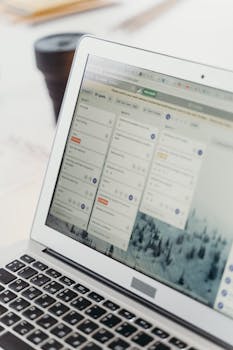
| Trello | Project boards | Task tracking in teams | Clarify assignments; see bottlenecks early |
Streamlining Tasks with Automation for Everyday Impact
Using automation, many employees skip repetitive chores. These digital work trends don’t just impress tech fans—they save real minutes across schedules each week.
Workers set up auto-forward rules for recurring requests and rely on digital triggers, helping cut down on manual labor. The phrase “Let Zapier handle that” marks real progress.
Leveraging Workflow Bots for Repetitive Steps
When someone types, “Every time I get a spreadsheet, I need charts,” a workflow bot can handle it. Just set a rule, and new files auto-process instantly.
It feels like training a digital helper for every mundane process. Benefits grow with each step automated: fewer checks, more focus, and less missed work.
- Set up email sorting rules to send everything from a specific address into labeled folders—separates newsletters from urgent requests, giving each the right attention, quickly.
- Connect time tracking tools with payroll systems, so hours get logged and calculated without manual input. This saves review time and reduces end-of-week pay disputes.
- Turn project updates into automated notifications in team channels—everyone stays informed and “I didn’t see that” excuses disappear. Pick a tool you can configure in under 10 minutes.
- Link customer forms to CRM entries. This method keeps client details current, helps sales, and eliminates input mistakes by letting digital work trends do the repeat work.
- Trigger Slack or Teams messages for key deadlines that pull info from shared project boards. You don’t need to manually send reminders when a new card is moved.
As you automate small steps, you notice more time for real problem-solving or creative sessions—use these digital work trends to shift your daily focus right away.
Taking Control Over Notifications to Reduce Overload
Some people say, “I check one alert—then lose 20 minutes.” That’s why using notification schedules and app do-not-disturb settings sharpens daily focus.
Try grouping all meeting reminders into one morning window while silencing chat apps during writing sprints. It helps you finish work without constant digital nudges.
- Batch Slack pings into hourly updates, cutting interruptions mid-task. Check them between projects; never let notifications pull focus every minute.
- Set phones to ‘work mode’ from 9-11 AM for deep work. A custom rule blocks distractions and turns the phone into a work-only device until it’s time for a real break.
- Enable “priority-only” filters for emails, letting only flagged or starred messages cause pop-ups. Let the other 90 percent wait until cleanup time each afternoon.
- Disable all social media alerts during meeting blocks so every call runs with fewer breaks. Minutes saved add up over an entire year.
- Assign calendar blocks as ‘focus only’ and sync them to turn off external noise—this leverages calendar integration, a rising digital work trend that helps you control your workflow environment.
These strategies give more peace and sharper results. Each step applies digital work trends to real daily choices and lets you captain your workspace, not just react to distractions.
Optimizing Daily Routines with Smart Apps and AI Assistants
Smart apps that leverage AI quietly reshape how people approach their to-dos. You benefit by getting tasks sorted, deadlines predicted, and routines suggested—usually with a tap or voice command.
Apps that track habits, suggest scheduling tweaks, or surface forgotten emails rely on digital work trends to learn your preferences and propose helpful changes on the fly.
Embracing Predictive Scheduling for Reliable Planning
Instead of “Will I make every meeting?” predictive calendars use past patterns to recommend optimal slots. If you reschedule every Monday call, the app suggests a better weekly alternative.
That tiny adjustment keeps calendars realistic—not just filled. You see work align with your habits, and it feels like the app “gets” your week at last.
Trying predictive scheduling can reveal surprising gaps or overlap. Users gain time by dropping repeated rescheduling and letting digital work trends handle routine meeting arrangements.
Using Smart Notes and Task Capture to Avoid Forgetting Details
Scraps of paper or random emails rarely survive crowded days. Smart note apps use voice entry and reminders like “Email team by Friday!” then follow up so nothing slips through.
The benefit is lasting: captured thoughts become action items. No more hunting for sticky notes at meeting time—organized, digital lists bring peace of mind.
Try adding one smart note or idea each morning. Let digital work trends fill in missing details; you’ll see a drop in missed deadlines or repeated questions fast.
Modern Workflows Keep Evolving: What to Do Next
Digital work trends shape everything from automation to smarter collaboration. They’re not abstract fads; instead, they turn routines into tailored systems that make each day more intentional and less frantic.
Start with one clear step: pick a new productivity tool, set notification boundaries, or automate a single report. Notice the impact and tweak things as new needs emerge.
By treating digital work trends as practical resources, you build adaptability. The next work shift—big or small—becomes a chance to upgrade, not an obstacle. Experiment and refine for lasting results.